Enhance Your Brand: The Power of Professional Photography in Business Growth
In the current competitive landscape, the significance of professional photography cannot be overstated. Companies that prioritize high-quality visuals frequently benefit from improved reputations and greater consumer confidence. Visual storytelling plays a vital role in fostering connections with audiences. However, not all images serve the same purpose. Understanding how to choose the right photographer and utilize visuals effectively can make a substantial difference. What strategies can brands employ to maximize the impact of their imagery?
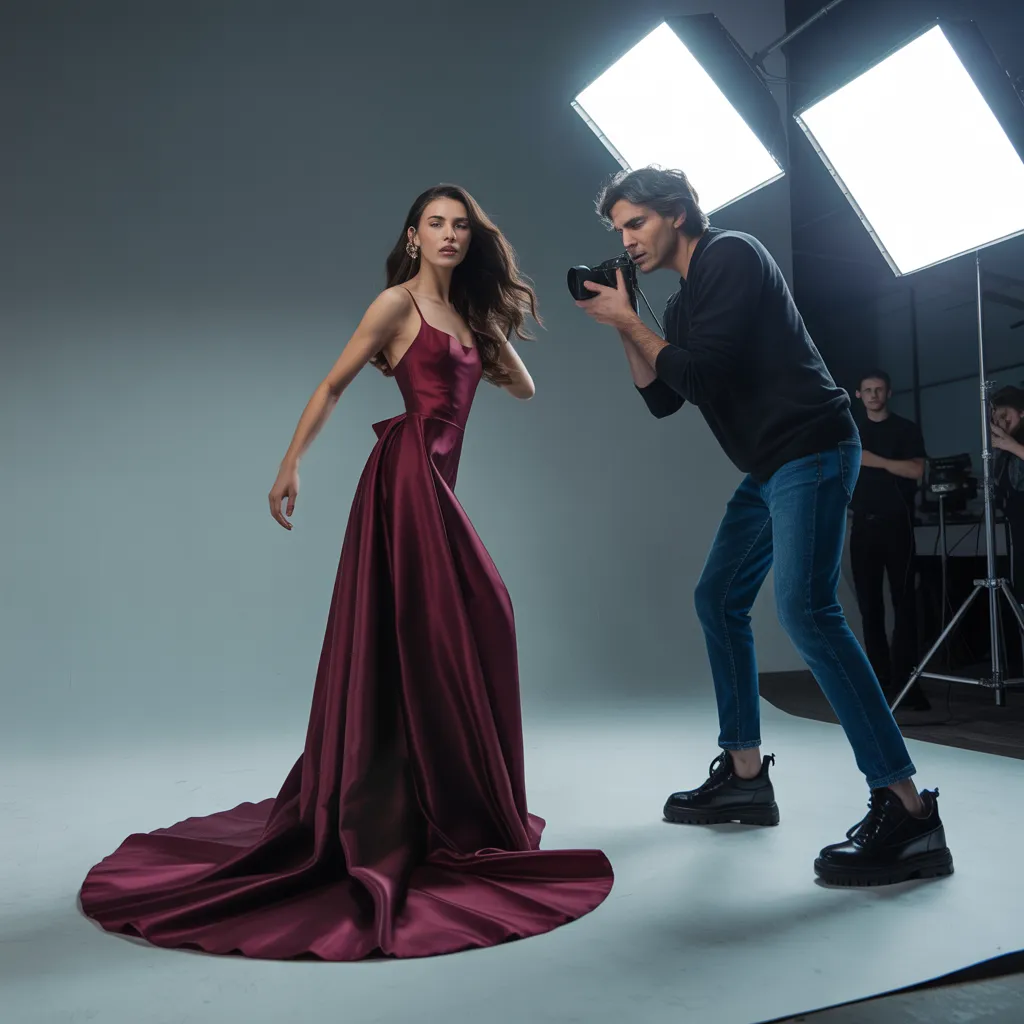
Why You Should Care About Professional Photography
Why is professional photography essential for businesses? The answer lies in the power of first impressions. High-quality images can greatly enhance a brand's image, conveying professionalism and attention to detail. In a visually driven marketplace, potential customers often judge a business based on its visual content. High-end photography highlights products and services at their finest, capturing and maintaining the curiosity of prospective buyers.
Moreover, steady and refined visuals help establish a recognizable brand identity. Genuine representation is important; professionally captured photographs can build a compelling story that speaks to target audiences. Such an investment may result in enhanced interaction across a range of platforms, from online platforms to social media networks.
Ultimately, businesses that prioritize professional photography establish themselves as industry leaders, cultivating trust and credibility. In an era where visual content dominates, the demand for professional images is not just valuable—it's essential for sustained success.
The Role of Visual Storytelling in Brand Engagement
In today's competitive landscape, visual storytelling has emerged as a powerful tool for brand connection. By crafting stories through visuals, companies can forge meaningful bonds with their viewers, ensuring their communications are more engaging and unforgettable. This strategy goes beyond conventional marketing methods, allowing companies to communicate their values, mission, and personality through compelling visuals.
Effective visual storytelling captures attention and fosters deeper interactions, motivating customers to commit to the brand. It allows companies to present their offerings in real-world scenarios, showing how they add value to everyday experiences. Through carefully curated imagery, brands can highlight their unique selling propositions and set themselves apart from the competition.
Additionally, visual narratives strengthen digital presence, as distributable content boosts exposure and stimulates audience engagement. Through incorporating striking visuals that align with target audiences, companies can build loyalty and foster engagement, thereby supporting sustained business growth.
How Superior Images Strengthen Consumer Trust
High-quality images serve as a cornerstone for building consumer trust in today's digital marketplace. They provide a visual representation of a brand's identity, expressing credibility and meticulous care. When consumers are presented with sharp, carefully crafted images, they are prone to regard the brand as authentic and reputable. This impression is essential, especially in an environment saturated with competing brands and inaccurate information.
In addition, professional images significantly improve the overall user experience, transforming websites and social media channels into more compelling destinations. They enable prospective customers to picture products or services, fostering a sense of familiarity and comfort. As customers continue to lean on visual cues to drive their purchasing decisions, brands that invest in professional photography distinguish themselves from competitors.
Ultimately, the impact of professional-grade images reaches beyond mere appearance; they cultivate a robust foundation for credibility, promoting customer loyalty and fueling business success.
How to Find the Perfect Photographer
Choosing the best photographer is crucial for matching visual content with a brand's identity. It involves precisely defining the brand vision, reviewing the quality of the photographer's body of work, and exploring budget options. By addressing these key factors, businesses can reach informed decisions that improve their visual presence.
Shape Your Brand Vision
A well-defined brand identity functions as the foundation for selecting the ideal photographer. Businesses must first define their identity, values, and target audience, as this understanding directs the photography style needed to clearly express their vision. Recognizing whether the brand leans towards a sleek, modern look or a lively, engaging aesthetic is vital. Furthermore, identifying targeted aims—such as strengthening online impact or developing compelling promotional content—will shape the selection of a photographer whose expertise corresponds to these aims. By recognizing the target useful tips emotional reaction from the target market, businesses can confirm they select a photographer who can embody the core of their brand vision. This purposeful approach ultimately enhances the overall effectiveness of the photographic narrative.
Assess Portfolio Quality
When evaluating photographers, the caliber of their portfolio serves as a key indicator of their capabilities. A comprehensive portfolio showcases a breadth of styles and subjects, allowing prospective clients to evaluate the photographer's versatility and technical skills. It is critical to look for uniformity in image quality, lighting, and composition, as these factors reflect the photographer's attention to detail. Moreover, reviewing past work relevant to the specific industry can offer insight into how well the photographer understands branding and marketing needs. Testimonials or case studies accompanying the portfolio may also boost credibility. In conclusion, a thoughtfully curated portfolio not only showcases artistic vision but also indicates the photographer's ability to deliver results that align with a business's objectives.
Consider Budget Options
Reviewing portfolio quality establishes the groundwork for selecting the right photographer, but budget considerations play an equally important role in the selection process. Organizations need to set a clear budget that aligns with their marketing goals. This budget should include not only the photography fees but also other potential costs, such as editing, travel, and licensing fees. Reviewing various photographers allows businesses to find a compromise between cost and quality. It is important to communicate needs and expectations upfront to prevent unforeseen costs. Moreover, some photographers could provide special packages or price reductions for larger projects, offering additional choices for budget-conscious businesses. Ultimately, thoughtful fiscal planning can lead to a productive partnership that strengthens brand identity without overspending.
Leveraging Images Successfully Across Platforms
Leveraging the strength of images can substantially enhance a brand's presence across various platforms. Strategic image utilization requires an understanding of the specific characteristics of each platform. For instance, bold, attention-grabbing visuals work well on social media, driving user participation and reach. In contrast, polished, refined images are crucial for websites and e-commerce platforms, where they foster trust and credibility.
Moreover, visual style consistency—fonts, color schemes, and image quality—bolsters brand identity. Adapting images for specific formats, including square for Instagram and landscape for Facebook, guarantees ideal display and viewer experience. Furthermore, integrating images into email marketing campaigns can significantly boost open and click-through rates.
Case Studies: Key Takeaways From Top Brands
Established brands reveal the profound influence of high-quality photography on business outcomes. To illustrate, a distinguished cosmetics company redesigned its marketing strategy by utilizing high-resolution images that presented its products in natural settings. This change produced a 30% increase in digital sales within six months, demonstrating the strength of compelling visual content.
Likewise, a upscale hospitality brand used expert photography to highlight its unique amenities and magnificent views. The remarkable visuals not only enhanced their website but also elevated engagement on social media, producing a 50% growth in bookings made directly.
One more instance features a fashion retailer that invested in a unified brand aesthetic through professional photography campaigns. This approach not only strengthened its brand identity but also built a committed clientele, evidenced by a 40% rise in recurring sales. Such examples illustrate how the thoughtful integration of professional photography can substantially strengthen brand image and drive business success.
Commonly Asked Questions
How Much Should I Budget for Professional Photography Services?
Planning a budget for professional photography typically ranges from $500 to $5,000, depending on factors like project complexity, photographer experience, and usage rights. Companies should evaluate their requirements to establish a suitable budget within this range.
Is It Possible to Use Stock Photos Rather Than Hiring a Professional?
Utilizing stock images can be a cost-effective alternative to bringing in a professional, but they may miss the mark on genuineness and distinction. Organizations need to evaluate the value of authentic visuals against budget constraints when selecting visual content.
How Regularly Should I Update My Brand Visuals?
Businesses should renew their imagery every 1-2 years to keep pace with evolving trends and stay relevant. Regular refreshes allow the visual presence up to date, captivating viewers and reinforcing brand loyalty through steady, polished imagery.
What Types of Photography Are Best for My Industry?
Lifestyle, product, and event photography remain vital across most industries. Brands should invest in high-quality images that engage their target audience, presenting authenticity and professionalism to elevate brand perception and customer engagement meaningfully.
How Can I Track the Influence of Photography on My Brand?
To evaluate photographic content's impact on a business, marketers can review engagement data, track conversion rates, gather client feedback, and evaluate brand recognition via surveys, ultimately evaluating how photographic content impacts overall brand performance.